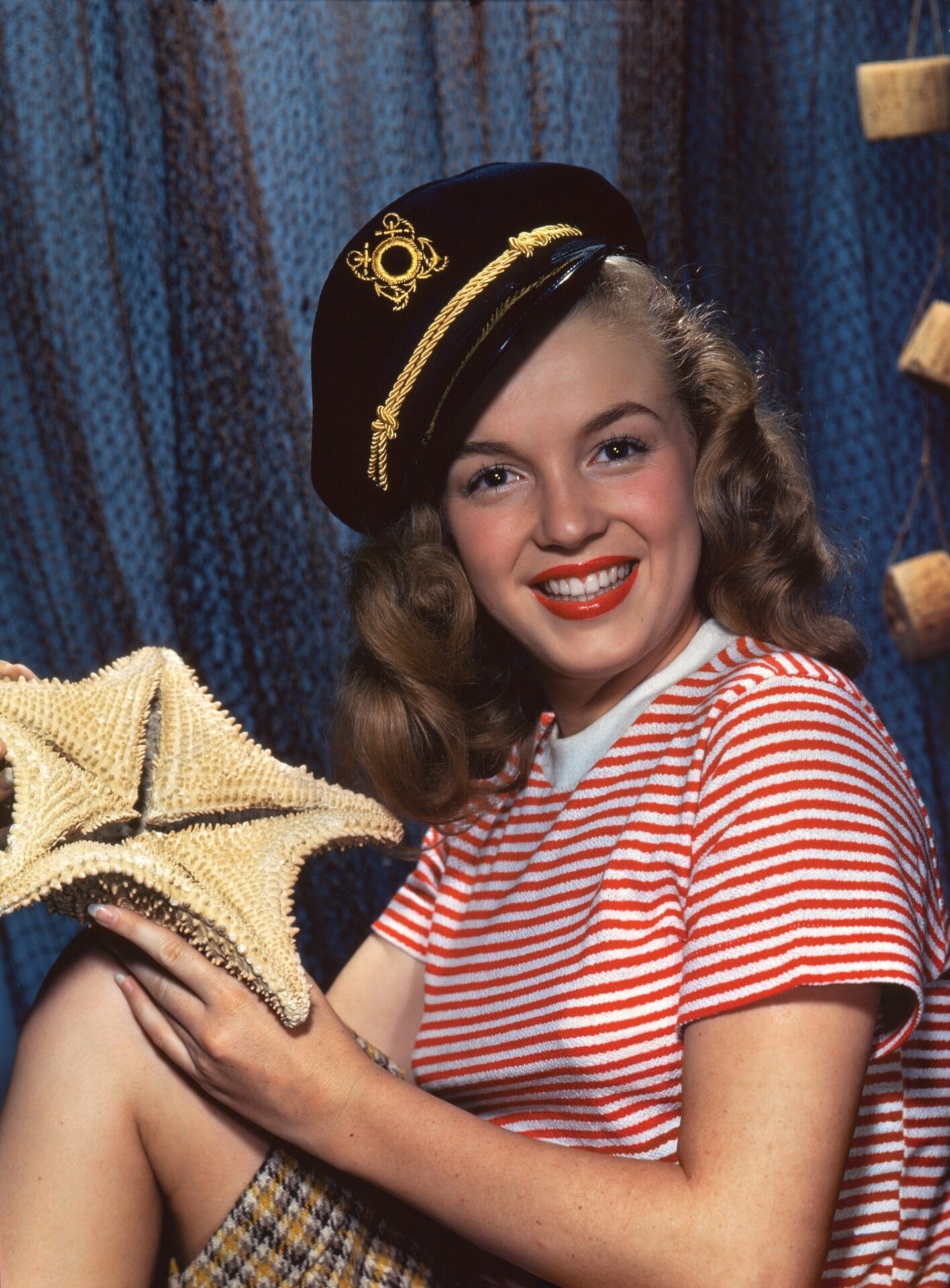
London – One hundred years after Marilyn Monroe was born, her image remains among the most instantly recognisable in popular culture. But behind the platinum-blonde movie star immortalised by Hollywood and Pop Art was a woman who played an active role in creating the photographs through which the world came to know her.
That relationship between Monroe and the camera is at the heart of Marilyn Monroe: A Portrait, a major exhibition at the National Portrait Gallery in London, running until 6 September 2026.
Organised in association with the Estate of Marilyn Monroe to mark the centenary of her birth on 1 June 1926, the exhibition traces her transformation from Norma Jeane, the young model photographed for early pin-ups, into one of the defining cultural figures of the 20th century.
Rather than concentrating solely on Monroe as a Hollywood star, the exhibition examines how photography helped construct her public identity – and how she herself participated in that process.
More than 20 influential photographers are represented, including Cecil Beaton, Philippe Halsman, André de Dienes, Eve Arnold, Inge Morath, Alfred Eisenstaedt, Milton H. Greene, Sam Shaw, Richard Avedon and George Barris.
The photographs span Monroe’s career, from images of the young Norma Jeane in the 1940s to some of the final portraits taken shortly before her death in August 1962. Together they reveal the extraordinary range of identities she could project in front of a camera, moving between Hollywood glamour, vulnerability, playfulness and introspection.
Photographers who worked with Monroe described her as an exceptional subject, but the exhibition also challenges the idea that she was simply a passive muse. It foregrounds her creative agency and collaborative approach to photography: Monroe helped direct sessions and retained the right to reject images she disliked.
Among the exhibition’s most revealing material are previously unseen photographs taken for Life magazine by Allan Grant at Monroe’s Brentwood home, just one day before her death.
Grant photographed Monroe during the session accompanying her final interview with Life associate editor Richard Meryman. He took 432 images, of which only eight were originally published. The photographs capture Monroe reading the transcript of her interview and moving through strikingly different moods, from moments of happiness and animation to quieter reflection.
Her death at the age of 36 transformed an already famous actress into an enduring cultural symbol – and inspired a new wave of artistic responses.
The exhibition brings photography into dialogue with works by artists including Andy Warhol, Pauline Boty, James Gill, Rosalyn Drexler and Audrey Flack.
Warhol’s celebrated Marilyn screen prints turned the actress’s face into one of the defining images of Pop Art. Working from a publicity photograph for the 1953 film Niagara, he isolated Monroe’s features and transformed the Hollywood publicity image into something closer to a modern icon.
Across the Atlantic, British Pop artist Pauline Boty responded to Monroe’s death through works including Colour Her Gone (1962) and The Only Blonde in the World (1963). A devoted admirer of Monroe, Boty’s paintings form part of the exhibition’s exploration of the actress’s influence on artists both during her lifetime and after her death.
For curator Rosie Broadley, Monroe’s enduring appeal lies in qualities that extended far beyond her famous appearance.
“It has been a privilege to spend time curating an exhibition about a woman who both defined and challenged the era in which she lived,” she says. “In addition to her iconic beauty, Marilyn Monroe had inimitable attitude, intelligence, strength and humanity.”
A century after her birth, the exhibition ultimately asks visitors to reconsider a face they may believe they already know. Behind the endlessly reproduced photographs was not simply the subject of other people’s cameras, but a performer increasingly conscious of the power of her own image.
Marilyn Monroe: A Portrait
National Portrait Gallery, London
Until 6 September 2026