An evidence-based observatory of real events across European islands, created to understand how insularity, geography and accessibility may shape prevention, emergency response and One Health resilience.
WHY THIS OBSERVATORY MATTERS
European islands are not marginal territories. They are real-world laboratories where distance, accessibility, limited resources and environmental exposure can make the difference between prevention and emergency.
By observing documented events across islands, this Observatory turns individual cases into comparable evidence — helping identify vulnerabilities, recurring patterns and possible solutions.
FROM EVENTS TO EVIDENCE
An accident on a mountain trail, a missing person, a medical emergency, a wildfire or a wildlife-related event may appear to be an isolated occurrence.
But when similar events are observed across different islands, patterns begin to emerge.
Distance from hospitals, response times, weather conditions, transport availability, seasonal population changes and limited local resources can transform an ordinary event into a critical emergency.
WHAT WE OBSERVE
MEDICAL EMERGENCIES
Medical response • evacuation • access to care
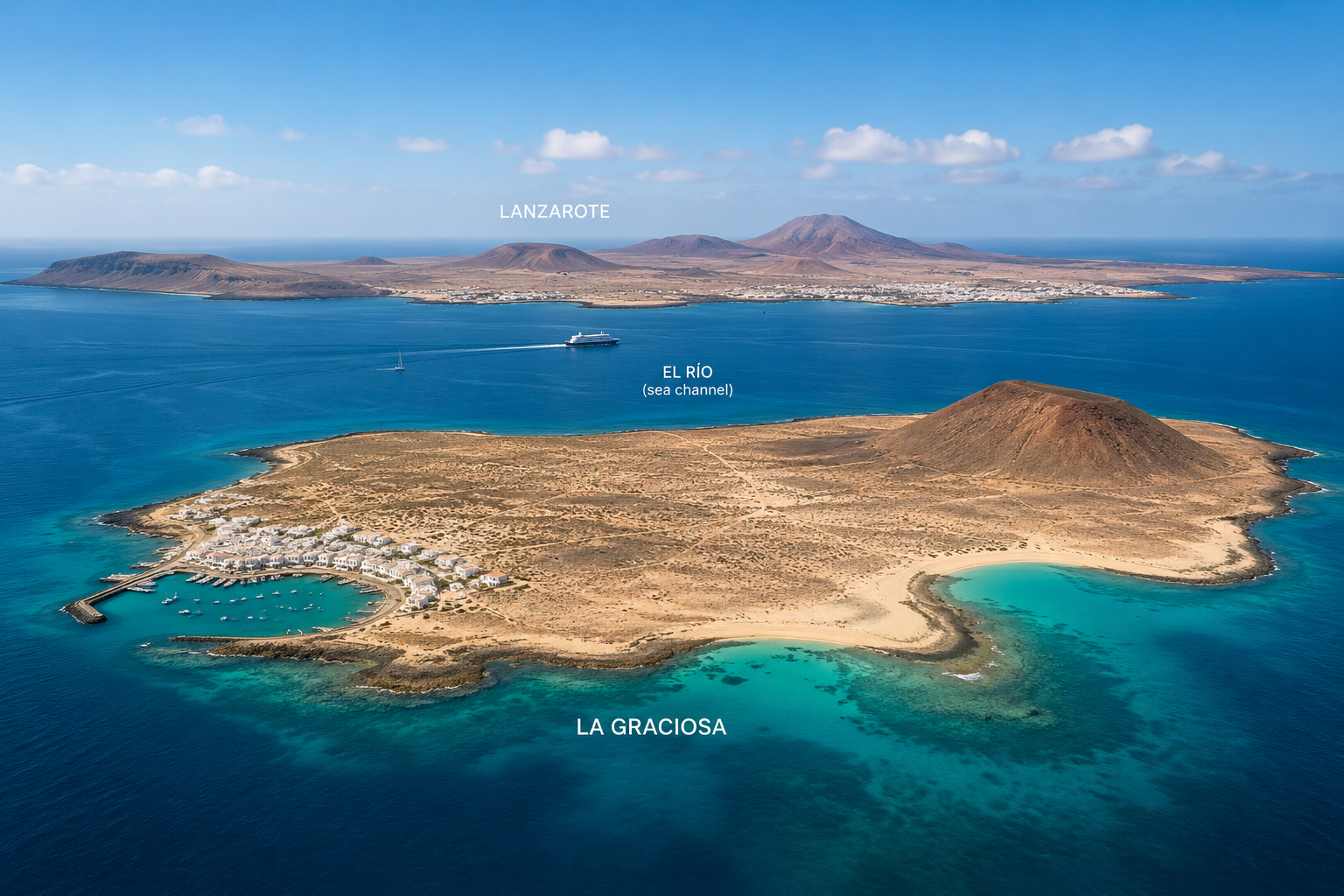
LA GRACIOSA — CANARY ISLANDS, SPAIN
11 JANUARY 2026 — ISLAND MEDICAL EVACUATION
A 57-year-old woman suffered a fall resulting in moderate hip trauma. After immobilisation on the island, she was evacuated by helicopter to Lanzarote for hospital care.
DISCOVER THE FIRST EVIDENCE REPORT
The Observatory transforms documented events into comparable evidence. Explore the first H1 2026 analysis to discover the recurring operational patterns emerging across European islands.